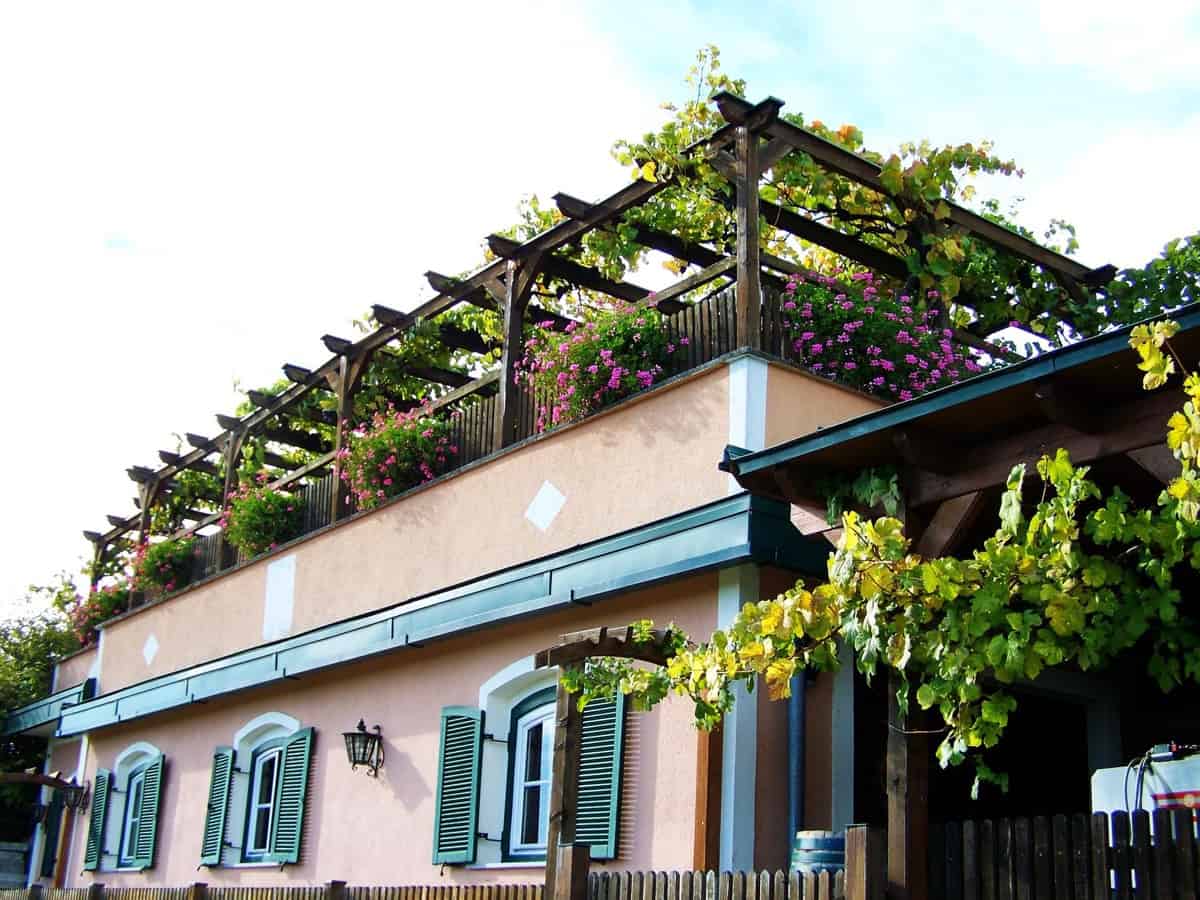
Terrace gardening has given people in Bangalore a sustainable way to grow their food and a chance to reconnect with nature by transforming cityscapes into verdant oases. Rooftop gardens are becoming increasingly popular due to the city’s rapid development, the demand for sustainable living, and the desire for self-sufficiency. This guide takes a look at how much it will cost to put up a terrace garden in Bangalore. It provides helpful tips, a detailed breakdown of the expenses, and practical steps to ensure a successful garden.
Thanks to its pleasant atmosphere, which includes abundant sunshine and mild temperatures, Bangalore is an ideal spot for gardening all year round. Careful planning is required to find a balance between the garden’s utility and aesthetics, as costs might vary depending on factors including garden size, plant selection, and materials. Understanding these factors is crucial for making economical decisions, as they have a significant impact on the budget, ranging from irrigation systems to soil mixes.
A Malleswaram family growing organic veggies on a 60-square-foot terrace is only one example of the practical applications of low-cost setups. This blog post aims to help gardeners of all skill levels by providing clear, location-specific instructions tailored to Bangalore’s unique conditions. It addresses common concerns, such as water scarcity and space limits, and presents a roadmap for building a sustainable, affordable rooftop retreat. What are we waiting for? Let’s break down terrace garden setup costs in Bangalore.
Bangalore Terrace Garden Setup: Know the Full Cost Before You Start
Planning an Affordable Rooftop Budget
Making a rooftop garden budget requires meticulous planning to align spending with objectives, but it is an essential step in keeping the cost of establishing a terrace garden in Bangalore under control. To determine what materials you’ll need, start by measuring your patio and how much sun it gets. Soil, containers, and basic irrigation for a 100-square-foot garden should cost around ₹12000 to ₹25000. The cost might reach ₹60000 for a 500-square-foot garden featuring more elaborate features, such as trellises.
Prioritizing recyclable materials, such as discarded buckets or crates, over branded pots, which cost ₹2000, is essential when researching affordable gardening choices in urban hubs. Affordable rooftop setups in city centers, like a Whitefield couple’s ₹9000 vegetable garden made from used barrels, rely on do-it-yourself techniques. You can get cheap materials, such as grow bags, for city rooftops from local marketplaces for as little as ₹30 to ₹100 each, which will cut prices in half.
The total cost of building elevated gardens includes waterproofing, which usually costs between ₹6000 and ₹18000 for a small roof, and labor, which can vary from ₹2000 for basic planting to ₹15000 for skilled designs. A resident of Koramangala established a ₹5000 herb patch using plastic pots as an example of a small-scale, inexpensive alternative to urban greenery. By buying in bulk, inexpensive installations in the metro region can save fifteen to twenty percent on supplies.
In high-rise areas like Indiranagar, lightweight materials, such as fiberglass planters (₹200-₹600), save costs without compromising compliance with building requirements by preventing structural strain.
| Item | Cost (₹) | Notes |
|---|---|---|
| Soil, Containers, Irrigation (100 sq ft) | 30-100 | Basic setup |
| Setup (500 sq ft) | Up to 60,000 | Includes trellises |
| Branded Pots | 2,000 | Per unit |
| Whitefield Vegetable Garden | 9,000 | Used barrels |
| Grow Bags | 30 – 100 | 6,000-18,000 |
| Waterproofing (Small Roof) | 200-600 | – |
| Labor (Basic Planting) | 2,000 | – |
| Labor (Skilled Designs) | 15,000 | – |
| Koramangala Herb Patch | 5,000 | Plastic pots |
| Fiberglass Planters | 200 – 600 | Lightweight |
Selecting Cost-Effective Rooftop Containers
To make the costs of building a terrace garden in Bangalore manageable, it is crucial to select the appropriate containers, which can vary substantially in price, weight, and durability. In contrast to the heavy and expensive clay pots (₹250–₹1200), the lightweight and inexpensive plastic pots (₹50–₹350) are perfect for any garden. Grow bags, available between ₹40 and ₹120, are a great choice for small terraces because they are affordable and easy to transport.
Instead of spending 60% more on expensive planters in the city center, you can save 60% by using inexpensive containers, like recycled paint cans. Planters for elevated gardens, such as PVC pipes, which cost between ₹100 and ₹300, allow for vertical arrangements on city rooftops. A Jayanagar family’s ₹2000 herb garden exemplifies a three-tier structure that costs ₹800-₹2500. Affordable pots, ranging in durability from ₹80 to ₹250, are sold by local nurseries for urban rooftops.
One eco-friendly option for city plants that will help cut down on replacement costs is biodegradable jute bags. If you buy in quantity at places like KR Puram, you can save 10–15% on containers for rooftop gardening. The ideal containers for raised gardening find a happy medium between being heavy and aesthetically pleasing, since big pots pose a structural threat on high-rise rooftops in the HSR Layout.
Keeping tiny terrace settings around ₹3000, gardeners in Malleswaram use inexpensive plastic containers from wholesale marketplaces.
| Container Types | Cost (₹) | Notes |
|---|---|---|
| Clay Pots | 50-350 | Heavy, expensive |
| Plastic Pots | 40-120 | Lightweight |
| Grow Bags | 100-300 | Affordable, portable |
| PVC Pipes | 800-2,500 | Vertical arrangements |
| Jayanagar Herb Garden | 2,000 | Three-tier structure |
| Three-Tier Structure | 80-250 | – |
| Affordable Pots | 80 – 250 | Local nurseries |
| Malleswaram Terrace Setup | 3,000 | Plastic containers |
Ensuring Soil Quality for Rooftop Gardens
The soil and compost quality has a direct bearing on plant development and the cost of establishing a terrace garden in Bangalore. The mix and quantity of compost also affect the price. The soil required for a 100-square-foot garden is 200–300 kilograms, and the cost of a mixture of red soil, cocopeat, and compost will range from ₹800 to ₹2000. By composting food scraps, you can produce 10-15 kg of compost each month at no cost.
Using organic soil mixes for urban vegetation, which cost between ₹400 and ₹1000 per 50 kg, a gardener from BTM Layout spent ₹2500 on soil setup to guarantee chemical-free produce. When fertility-boosting additions, like vermicompost, are added to soil preparation for urban gardening, the cost increases from ₹60 to ₹120 per kilogram. Because of their excellent water retention properties in urban environments, loamy mixtures with 40% cocopeat are ideal for rooftop gardening.
Save 25% compared to internet sellers when you buy inexpensive compost for raised beds from local vendors of cow dung manure (₹200 to ₹500 per 25 kg). Soil mix for urban rooftops can be purchased for as little as ₹10 to ₹15 per kilogram when bought in bulk. Biochar, which costs between ₹100 and ₹300 per kilogram, is utilized to produce environmentally friendly soil for city plants, thereby decreasing the need for fertilizer usage by 20%.
As a cost-effective trend in ecologically conscious areas like Sarjapur Road, Whitefield offers free compost through community composting programs.
| Items | Cost (₹) | Quantity | Notes |
|---|---|---|---|
| Soil Mix (100 sq ft) | 200-300 kg | 400-1,000 | Red soil, cocopeat, compost |
| Organic Soil Mix | 60-120 | 50 kg | Chemical-free |
| BTM Layout Soil Setup | 2,500 | – | – |
| Vermicompost | 200-500 | Per kg | Fertility booster |
| Cow Dung Manure | 10-15 | 25 kg | Local vendors |
| Soil Mix (Bulk) | 100-300 | Per kg | – |
| Biochar | 100 – 300 | Per kg | Reduces fertilizer use |
Choosing Plants for Rooftop Budgets
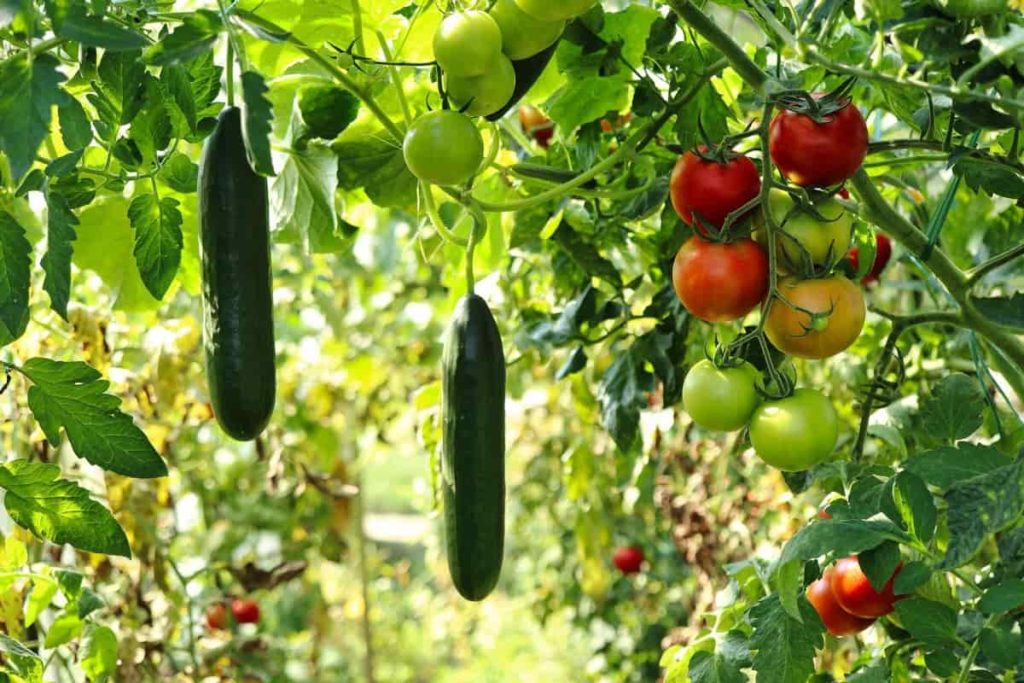
In Bangalore, the plants and seeds that are selected determine the final cost of a terrace garden, which can range from ₹15 for seeds to ₹600 for fully grown plants. Seedlings of vegetables, such as spinach and tomatoes, cost between ₹25 and ₹60, whereas ornamentals, such as roses, can cost anywhere from ₹150 to ₹400. Basil and other herbs that produce many leaves cost about ₹20 to ₹40 per bundle.
You can save 35% compared to buying cheap vegetable seeds online at KR Market, which is located in the heart of the city. The most suitable plants for rooftop gardening are native creepers, such as money plants, which can be purchased for ₹50 to ₹150 and are used in a flower garden valued at ₹6000 in Koramangala. Marigolds, affordable flowering plants that provide color to city plants, cost anywhere from ₹30 to ₹80.
City rooftop plants are 20% cheaper at nurseries during the monsoon season. To keep watering costs down, low-maintenance plants for raised beds should be drought-tolerant, like aloe vera. Organic seeds for rooftop installations, which cost between ₹60 and ₹250, ensure abundant harvests, as seen by an Indiranagar organic setup.
Gardeners in Malleswaram’s family-friendly areas might save money by exchanging seeds for cultivars that are native to the area.
| Plant Types | Cost (₹) | Notes |
|---|---|---|
| Seeds | 15 – 600 | Range for seeds to grown plants |
| Vegetable Seedlings | 150-400 | Spinach, tomatoes |
| Ornamental Plants | 20-40 | Roses |
| Herbs | 50-150 | Basil, per bundle |
| Native Creepers | 30-80 | Money plants |
| Koramangala Flower Garden | 6,000 | – |
| Marigolds | 60-250 | – |
| Organic Seeds | 60 – 250 | – |
Waterproofing Your Rooftop Garden
Terrace garden setup costs in Bangalore can vary from ₹6000 to ₹25000 for a 200-square-foot terrace, with waterproofing being a major factor in preventing roof leaks. Polyurethane coatings cost between ₹180 and ₹250 per square foot and are more durable, whereas polymer-based membranes are more affordable, costing between ₹60 and ₹120 per square foot. Having a professional install the roof ensures that it will not leak, saving you at least ₹20000 in repair costs.
Using affordable asphalt sheets (₹2000-₹5000) as a substitute for liquid coatings in urban gardens reduces costs by 45 percent. For instance, a 150-square-foot terrace in Jayanagar costs ₹12000. The price tag for waterproofing a city rooftop can change based on the state of the roof. The ideal waterproofing materials for raised gardens are UV-resistant membranes that have a lifespan of 10 to 15 years.
Waterproofing urban vegetation, including labor, often costs between ₹3000 and ₹7000 for smaller projects. In wet areas like HSR Layout, it is crucial to install waterproofing on rooftops to prevent seepage. Because it requires less maintenance, urban garden waterproofing saves ₹5000 per year.
In Koramangala, where the monsoons are particularly severe, double-layered waterproofing—common in places with a lot of technology—provides long-term protection.
| Waterproofing Types | Cost (₹) | Notes |
|---|---|---|
| Total (200 sq ft) | 180-250 | – |
| Polyurethane Coatings | 180 – 250 | 60-120 |
| Polymer-Based Membranes | 60 – 120 | 2,000-5,000 |
| Repair Savings | 20,000 | Professional installation |
| Asphalt Sheets | 2,000 – 5,000 | 3,000-7,000 |
| Jayanagar Terrace (150 sq ft) | 12,000 | – |
| Small Projects (Incl. Labor) | 3,000 – 7,000 | – |
| Annual Maintenance Savings | 5,000 | – |
Designing Efficient Rooftop Irrigation
The installation of an irrigation system, which facilitates watering, impacts the price tag on a Bangalore terrace garden. The price range for manual setups is ₹600 to ₹2500, while for automated systems, it is ₹6000 to ₹25000. Drip irrigation kits, which cost between ₹2500 and ₹12000, save water consumption by 40% by directly watering plant roots. Ideal for smaller gardens, self-watering pots (₹250-₹600) require less daily effort.
The installation of inexpensive drip irrigation systems, such as the ₹4000 system used by a gardener at BTM Layout, significantly decreases water usage in urban gardens. For urban rooftop watering, perforated hoses are an affordable and easy-to-install option, with prices ranging from ₹400 to ₹1000. The ideal irrigation system for rooftop gardening, which is suitable for professionals with busy schedules, includes timers that cost between ₹1000 and ₹3000.
Depending on the company, you can find raised garden irrigation kits for as little as 20% less than their overseas counterparts. Sustainable irrigation for rooftop flora incorporates rainwater tanks ranging from ₹2000 to ₹5000, resulting in an annual savings of ₹1500. You may water your urban plants cheaply using plastic bottles as drip feeders for ₹50 to ₹200.
Water scarcity is a problem in Whitefield; therefore, eco-conscious gardeners are following the trend of installing drip systems to stay under the city’s water restrictions.
| Irrigation Types | Cost (₹) | Notes |
|---|---|---|
| Manual Setup | 6,000-25,000 | – |
| Automated System | 2,500-12,000 | – |
| Drip Irrigation Kits | 250-600 | 40% water savings |
| Self-Watering Pots | 250 – 600 | 400-1,000 |
| BTM Layout Drip System | 4,000 | – |
| Perforated Hoses | 1,000-3,000 | Easy to install |
| Timers | 2,000-5,000 | For busy schedules |
| Rainwater Tanks | 50-200 | 1,500 annual savings |
| Plastic Bottle Drip Feeders | 50 – 200 | – |
Maximizing Space with Vertical Gardening
The cost of building a terrace garden in Bangalore can range from ₹1500 to ₹12000 because vertical gardening makes efficient use of limited space. Wall-mounted pots, costing between ₹150 and ₹600, and metal trellises, costing ₹800 to ₹2500, create verdant walls, while DIY bamboo structures range in price from ₹600 to ₹1200. These technologies more than double the plant’s capacity without requiring more floor space.
A resident of Indiranagar constructed a ₹2500 herb wall using recycled wood pallets, which is one example of how people in urban areas make inexpensive vertical structures. Vertical solutions for urban vegetation using plastic bottles as planters can save 50% in costs. Supporting climbers, like jasmine (₹100-₹300), is the greatest way to improve the aesthetics of rooftop gardening with vertical solutions.
Vertical constructions for city rooftops might cost an extra ₹3000 to ₹6000 with stainless steel frames, which offer durability. Inexpensive vertical planters for raised gardens often have fabric pockets, ranging from ₹80 to ₹200, that are ideal for storing herbs. Sustainably arranged vertical gardens in city centers attract pollinators, which increases yields with little effort and expense.

Overcoming space constraints in high-rise areas like Sarjapur, vertical gardens thrive in the cramped balconies of the HSR Layout.
| Vertical Gardening Items | Cost (₹) | Notes |
|---|---|---|
| Total Cost | 150-600 | – |
| Wall-Mounted Pots | 150 – 600 | 800-2,500 |
| 600-1,200 | 800 – 2,500 | Verdant walls |
| DIY Bamboo Structures | 100-300 | – |
| Indiranagar Herb Wall | 2,500 | Recycled wood pallets |
| Jasmine Climbers | 3,000-6,000 | Aesthetic enhancement |
| Stainless Steel Frames | 80-200 | Durable |
| Fabric Pockets | 80 – 200 | For herbs |
Adding Decorative Rooftop Features
The cost of installing a terrace garden in Bangalore might increase from ₹1500 to ₹18000, but the aesthetic appeal of a rooftop garden is enhanced by the addition of decorative components. The solar-powered lights (₹600-₹6000) set the mood for the evening, while the ceramic planters (₹250-₹1200) bring color. You may get wooden benches that cost between ₹3000 and ₹12000, perfect for relaxing on.
Using inexpensive décor is an affordable way to spruce up urban rooftops, like the ₹1200 pebble pathway made by a local of Koramangala. Painted tires, an inexpensive decorative element for urban gardens, can save 40% of the cost, ranging from ₹100 to ₹300. Among the greatest ornamental elements for rooftop gardening that can withstand the monsoon humidity are wrought iron sculptures, which can be purchased for ₹500 to ₹2000.
Decor for elevated gardens can be more affordably sourced from local vendors; solar lamps range in price from ₹400 to ₹1000. Urban greenery can be adorned with affordable clay figures (₹150-₹400) for a rustic feel. Rooftop sustainable décor often makes use of eco-friendly and long-lasting bamboo screens, which can cost anywhere from ₹400 to ₹1000.
Homey abodes made from decorative arrangements are popular in Jayanagar’s family-friendly areas, where spacious terraces are common.
| Decorative Item | Cost (₹) | Notes |
|---|---|---|
| Total Cost | 600-6,000 | – |
| Solar-Powered Lights | 250–1,200 | Evening ambiance |
| Ceramic Planters | 3,000-12,000 | Adds color |
| Wooden Benches | 100-300 | For relaxation |
| Koramangala Pebble Pathway | 1,200 | – |
| Painted Tires | 100 – 300 | 500-2,000 |
| Wrought Iron Sculptures | 500 – 2,000 | 400-1,000 |
| Solar Lamps | 400 – 1,000 | 150-400 |
| Clay Figures | 150 – 400 | 400-1,000 |
| Bamboo Screens | 400 – 1,000 | Eco-friendly |
Estimating Professional Rooftop Labor Costs
Depending on the scope of the project, employing experts might drive up the cost of establishing a terrace garden in Bangalore, which could be anywhere from ₹3000 to ₹25000. Basic operations, such as planting and soil layering, cost between ₹3000 and ₹6000, whereas advanced designs with irrigation can cost anywhere from ₹18000 to ₹25000. Reduced labor expenses are a benefit for gardeners who prefer to work with their hands.
The ₹6000 consultation for a Whitefield household is just one example of how affordable gardening services in the city center can be. These services offer professional guidance at an affordable price. A 150-square-foot terrace usually costs ₹12, which is more than the average cost of professional landscaping solutions for urban plants. The best rooftop gardeners charge between ₹1500 and ₹4000 monthly for their maintenance services.
Expertise determines the difference in labor costs between local gardeners and firms for raised gardens, with the former charging 25% less. Using community volunteers, low-cost gardening labor in an urban area can save 30%. Site studies are a part of the professional installation fee for city rooftops, since they guarantee structural safety.
Transportation expenses are kept in check in metropolitan regions due to local employment in Indiranagar, where professional talents are in high demand, which lowers the cost.
| Labor Types | Cost (₹) | Notes |
|---|---|---|
| Total Cost | 3,000-6,000 | – |
| Basic Operations | 18,000-25,000 | Planting, soil layering |
| Advanced Designs | 1,500-4,000 | Includes irrigation |
| Whitefield Consultation | 6,000 | – |
| Monthly Maintenance | 1,500 – 4,000 | Best gardeners |
| 150 sq ft Terrace | 12 | Landscaping |
Maintaining Rooftop Gardens Affordably
Depending on the level of maintenance required, the monthly cost to set up a terrace garden in Bangalore might vary between ₹600 and ₹6000. Personal responsibilities, such as gardening and watering, cost between ₹600 and ₹2000, but professional programs cost between ₹2500 and ₹6000. Regular upkeep avoids ₹5000 worth of repairs annually due to the absence of bugs.
An affordable method of pest management, as suggested by a gardener from BTM Layout, is to use neem oil sprays (₹200-₹500) in urban gardens. You can cut your fertilizer costs in half with low-cost, low-maintenance urban gardening that uses household compost. The ideal way to care for plants on rooftops is to keep them moist and to use dry leaves as mulch (₹100-₹300).

The exorbitant expense of garden maintenance can reach ₹1000 monthly when dealing with exotic species that require specific attention. One cost-effective method of sustainable maintenance is to plant native plants, such as tulsi, on city rooftops. Collecting rainwater for urban gardening is an economical method that saves ₹800 annually.
To cut costs, HSR Layout divides up maintenance chores among community groups in high-rise, water-scarce locales.
| Maintenance Items | Cost (₹) | Notes |
|---|---|---|
| Monthly Total | 600-2,000 | – |
| Personal Responsibilities | 2,500-6,000 | Gardening, watering |
| Professional Programs | 200-500 | – |
| Annual Repair Savings | 5,000 | Bug prevention |
| Neem Oil Sprays | 100-300 | Pest management |
| Mulch (Dry Leaves) | 100 – 300 | – |
| Exotic Species Maintenance | 1,000 | Monthly, specific care |
| Rainwater Collection Savings | 800 | Annual |
Addressing Rooftop Gardening Challenges
Space limitations and water shortages are two factors that affect the expense of setting up a terrace garden in Bangalore, which calls for tailored solutions. The ₹1500-₹6000 vertical systems tackle space issues, while the ₹3000-₹12000 drip irrigation addresses water limitations. Proactive planning ensures a landscape that lasts by reducing unexpected costs.
The ₹4000 setup by a gardener in Koramangala shows how compact grow bags, ranging from ₹50 to ₹150, may be utilized to circumvent setup challenges in densely populated areas and accommodate smaller terraces. Protect your plants from the sun’s rays with a reasonably priced shade net (₹600-₹2500). To naturally reduce the number of pests on rooftops, plant companion crops.
One way to solve the problem with raised gardens is to use organic insecticides that suppress pests, which can cost anywhere from ₹300 to ₹1500. Gravel layers (₹200-₹600) are affordable solutions for urban garden problems related to soil erosion. One eco-friendly option for growing plants on rooftops is windbreaks, which can be purchased for ₹500 to ₹1500.
Rainwater collection systems, which cost between ₹3000 and ₹7000, are an emerging trend in eco-conscious neighborhoods like Whitefield that aim to alleviate water scarcity.
| Challenge Solutions | Cost (₹) | Notes |
|---|---|---|
| Vertical Systems | 3,000-12,000 | Space issues |
| Drip Irrigation | 50-150 | Water limitations |
| Koramangala Setup | 4,000 | Compact grow bags |
| Grow Bags | 50 – 150 | 600–2,500 |
| Shade Net | 300-1,500 | Sun protection |
| Organic Insecticides | 200-600 | Pest suppression |
| Gravel Layers | 500-1,500 | Soil erosion |
| Windbreaks | 3,000-7,000 | – |
| Rainwater Collection | 3,000 – 7,000 | – |
Sourcing Affordable Rooftop Materials Locally
Buying locally in Bangalore might help keep terrace garden setup expenses down. Materials purchased at places like KR Market are 25–35% less than those purchased online. Online, you can find soil and pots for a 100-square-foot garden for ₹1200 to ₹4000, but in local stores, you may find them for ₹600 to ₹2500. Bargaining and purchasing in bulk can yield additional savings.
Investigating nearby sellers of urban gardening goods, like a Jayanagar gardener’s ₹5000 setup, can help save money on shipping. For long-lasting, low-cost urban landscaping, consider using recycled barrels (₹80-₹250). The greatest places to get rooftop gardening seeds are those that use only seeds grown in the immediate area.
Local metro area markets provide 15% off material pricing during festivals. When it comes to purchasing, urban gardeners can save 20% by taking advantage of local swaps. Sustainable and locally sourced rooftop materials, such as coir pots (₹30 to ₹100), naturally decompose and reduce waste.
Indiranagar nurseries provide native plants that are well-suited to the climate of Bangalore, lowering the cost of adaptation in urban settings.
| Items | Cost (₹) | Notes |
|---|---|---|
| Soil & Pots (100 sq ft, Online) | 600–2,500 | – |
| Soil & Pots (100 sq ft, Local) | 600 – 2,500 | 80-250 |
| Jayanagar Setup | 5,000 | – |
| Recycled Barrels | 80 – 250 | 30-100 |
| Coir Pots | 30 – 100 | Biodegradable |
Scaling Your Rooftop Garden Gradually
The cost of constructing a terrace garden in Bangalore can be managed by adjusting the budget over time; the initial investment ranges from ₹3000 to ₹6000 and goes up by ₹1500 to ₹4000 annually. Modular planters (₹200-₹600) enable progressive development, and home composting (₹0-₹200) meets the needs of increasingly rich soil. Gradual expansion prevents excessive spending.
An example of a cost-effective extension in the metro area is a ₹7000 phased vegetable patch created by a BTM Layout family using stackable crates. Cost-effective scaling for urban greens prioritizes high-yield crops, like beans, improving revenues. By changing crops with the seasons, the most effective way to grow rooftop gardens is to save anywhere from ₹600 to ₹1200.
An additional cost for elevated gardens that enable vertical growth is trellises, which range from ₹400 to ₹1000. Sustainable scaling allows for the planting of perennials on city rooftops, reducing the expense of replanting. For an inexpensive way to enlarge your urban garden, you can convert ladders into plant holders for ₹300 to ₹800.
Koramangala gardeners keep costs down in tech-heavy, tight spaces by adding one crop per year.
| Scaling Items | Cost (₹) | Notes |
|---|---|---|
| Initial Investment | 1,500-4,000 | – |
| Annual Increase | 200-600 | – |
| Modular Planters | 0-200 | Progressive development |
| Home Composting | 600-1,200 | – |
| BTM Layout Vegetable Patch | 7,000 | Stackable crates |
| Seasonal Crop Savings | 400-1,000 | – |
| Trellises | 300-800 | Vertical growth |
| Ladder Plant Holders | 300 – 800 | – |
When people in Bangalore pool their resources—seeds, tools, and knowledge—they may lower the price of starting a terrace garden. Common compost bins save costs by 60%, and seed swaps provide various varieties (₹0-₹250). To lessen mistakes, trimming and pest control can be taught in workshops (₹600-₹2500).
Being a part of urban gardening groups fosters collaboration, like the ₹1500 shared irrigation system operated by a group in Whitefield. You can save 25% on affordable community resources for urban vegetation by asking around for free seedlings from neighbors. The most effective community support for rooftop gardening is online forums that bring together gardeners, which in turn lowers expenses.
An annual subscription to a community resource for urban gardening can be yours for as little as ₹150 to ₹600. Sustainable community gardening in the metropolitan region promotes the use of organic methods and has the potential to save an annual budget of ₹600 to ₹1500. One inexpensive piece of advice for city gardens is to share wheelbarrows, as this can reduce tool costs by 20%.
Locals in Malleswaram often create communal gardens in family-friendly neighborhoods, which leads to a proliferation of community plots.
| Community Resources | Cost (₹) | Notes |
|---|---|---|
| Seed Swaps | 600–2,500 | Variety of varieties |
| Workshops | 150-600 | Trimming, pest control |
| Whitefield Irrigation System | 1,500 | Shared |
| Annual Subscription | 600-1,500 | Community resource |
| Annual Savings | 600 – 1,500 | Organic methods |
Conclusion
Bangalore terrace gardens offer a peaceful retreat from city life and a sustainable way to live in an urban setting. The costs to set up a terrace garden in Bangalore might vary substantially, starting at ₹5000 for an easy DIY job and going up to ₹50000 for a comprehensive, professional design. By prioritizing locally sourced, fairly priced goods and community resources, gardeners can minimize costs without sacrificing effect.
A family in Koramangala, for example, managed to grow herbs for under ₹10000 by meticulously organizing their garden according to the climatic and space constraints of Bangalore. Solutions to problems, including structural limitations and water scarcity, such as using lightweight containers and drip irrigation, can keep costs down. Involving the community helps keep costs down and encourages a cooperative approach to urban gardening.
Source: www.agrifarming.in